Summary
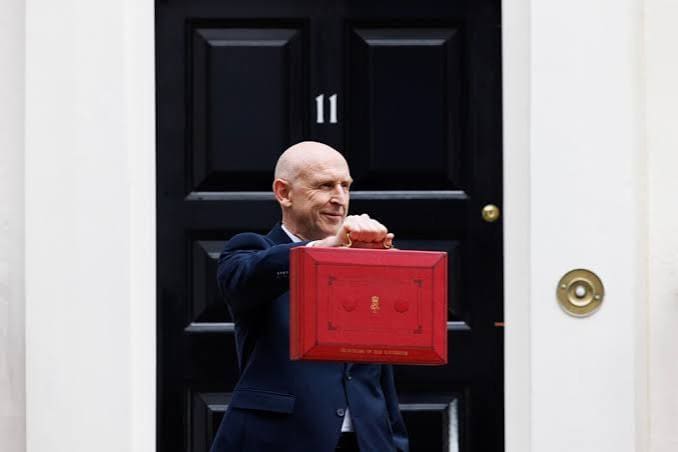
The UK Budget published on 28 October 2026 rejects broad-based tax increases and contains few measures aimed at trade.1 One of its reforms, however, has a direct effect on Saudi state capital invested in the UK. From 1 January 2029, the uncodified exemption from UK direct tax enjoyed by foreign states and their investment vehicles will be replaced by a statutory sovereign tax status. Under the new regime, income and gains from directly held UK real estate will be taxed for the first time.2 The Office for Budget Responsibility (OBR) expects the change to raise around 2.6 billion pounds between 2027-28 and 2031-32, although it classes the estimate as highly uncertain.3
For Saudi companies already operating in the UK the changes are more modest, since the main rate of corporation tax stays at 25% and capital allowances shift towards new investment.4 Banks face a doubling of the bank surcharge for 15 months from January 2027, while overseas suppliers of services to UK businesses that are not VAT-registered will have to charge UK VAT from April 2027.4 On trade, the Treasury has opened a consultation on extending the UK carbon border adjustment mechanism to refinery products.4 That category includes refined oil, which made up 57.8% of UK goods imports from Saudi Arabia in the year to March 2026.5 The consultations on the sovereign regime and on refinery products both close on 20 January 2027.2,4 With the UK-GCC Free Trade Agreement still awaiting formal signature and ratification, SBJBC has a defined period in which to brief members and gather their views.
Read the full article: [UK Budget and its Implications on UK-Saudi Trade]